
Practical Steps for Planning Collaborative Trips
Collaborative trips can create unforgettable experiences and foster lasting friendships. However, planning such trips requires careful coordination and consideration. Here are practical steps to ensure your group travels smoothly and enjoys the journey together.
Understanding the Basics of Collaborative Travel
Collaborative travel, often referred to as group travel, involves multiple individuals working together to plan and execute a trip. This approach can enhance the travel experience by enabling shared responsibilities and collective decision-making. According to travel experts, organizing group trips can lead to increased enjoyment and deeper connections among participants.
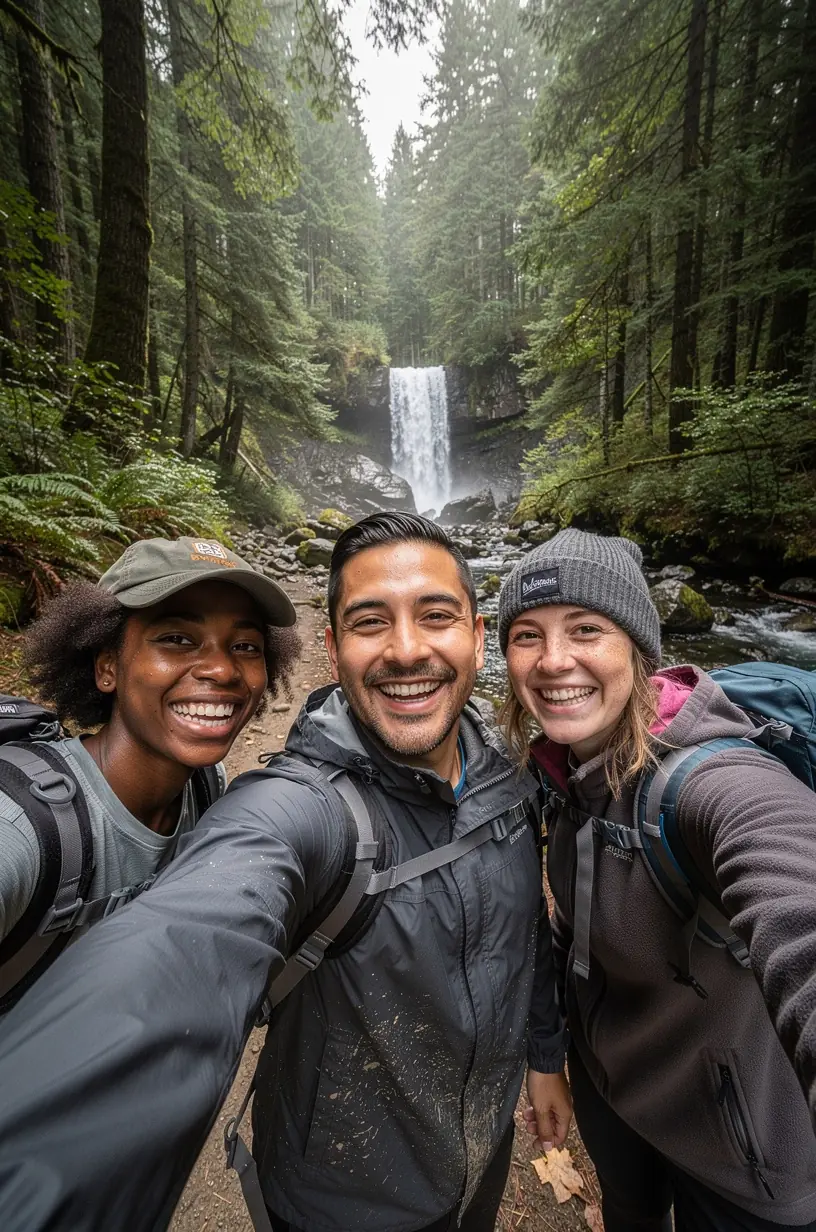
"Group travel can foster a sense of community, turning participants into friends instead of mere travel companions." - Travel Industry Expert
Step-by-Step Guide for Planning Successful Group Trips
1. Define Your Group's Goals and Interests
Identifying the shared interests and goals of the group is crucial. This typically involves discussions to pinpoint key activities everyone would enjoy, whether it's hiking, cultural exploration, or relaxing at the beach. Research indicates that clear communication about preferences can significantly enhance group satisfaction.
2. Set a Budget
Creating a budget is a vital step in the planning process. Establish a flexible budget that accommodates various preferences and financial situations within the group. According to financial planning experts, transparent discussions about money are essential in preventing misunderstandings down the line.
3. Choose a Suitable Destination
Selecting a destination that aligns with the group's interests is essential. Consider factors such as accessibility, activities available, and the group's comfort level with travel logistics. Industry standards suggest that destinations with diverse offerings can cater to varied interests, ensuring everyone finds something enjoyable.
4. Plan Accommodations Early
Booking accommodations in advance can prevent stress and ensure that the group stays together. Many travelers report that choosing a vacation rental rather than individual hotel rooms can enhance the experience by providing communal spaces for bonding. A recommendation is to use platforms that allow group bookings, which can simplify the reservation process.
5. Create an Itinerary Together
Collaboratively creating an itinerary can help everyone feel involved and excited about the trip. Use tools like shared documents or group chats to gather input and finalize plans. This collaborative approach not only ensures that the itinerary reflects group preferences but also fosters a sense of ownership and anticipation.
6. Establish Communication Channels
Maintaining clear communication throughout the planning and during the trip is critical. Establish a primary communication channel, such as a group chat app, to share updates and address any changes or concerns. Research shows that effective communication can reduce conflicts and enhance the overall travel experience.
Acknowledging Challenges
While collaborative trips can be rewarding, they do come with challenges. It's important to recognize that coordinating schedules, budgets, and interests can take time and effort—typically requiring 2-4 weeks of planning in advance. Patience and understanding are essential, as conflicts may arise, and compromises will likely be necessary.
Conclusion
Planning a collaborative trip involves various moving parts, but with careful consideration and open communication, it can lead to enriching experiences. By understanding the group’s interests, setting a realistic budget, and remaining flexible throughout the process, you can help ensure that your trip is enjoyable for everyone involved. As you embark on this journey, remember that the goal is not just to reach a destination, but to create lasting memories together.
Learn More