Navigating Group Travel Etiquette and Dynamics
Group travel can be an enriching experience, allowing individuals to forge connections and create lasting memories. However, it also requires a level of etiquette and understanding of group dynamics to ensure that everyone has a rewarding experience. In this article, we will explore effective strategies for navigating the nuances of group travel etiquette, backed by expert recommendations and industry practices.
Understanding the Basics of Group Travel Etiquette
Group travel etiquette refers to the unwritten rules and behaviors that facilitate harmony among travelers. According to travel experts, adhering to these guidelines can enhance the overall experience for everyone involved. Key components of group travel etiquette include:
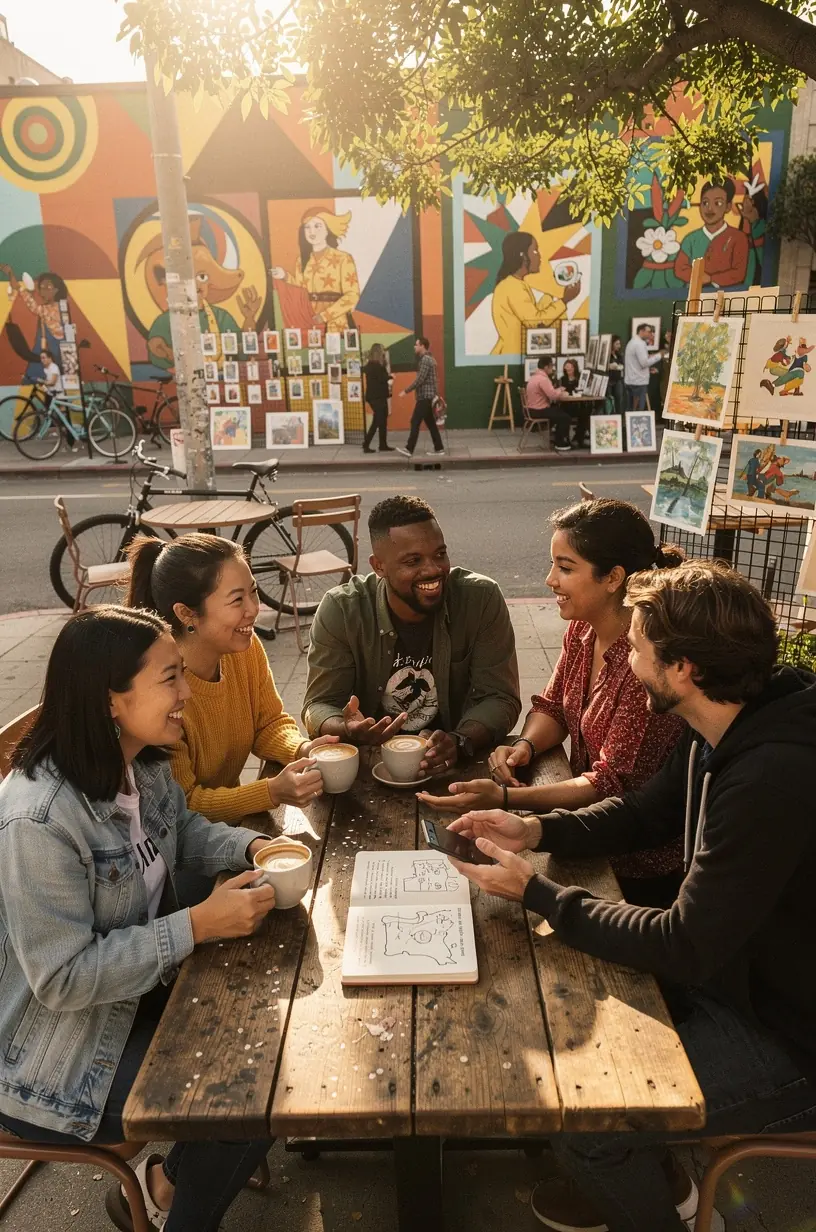
- Communication: Open and honest communication among group members is essential. Studies show that clear communication can help prevent misunderstandings and conflicts.
- Respecting Individual Preferences: While group activities are planned, it’s important to acknowledge that each traveler may have different interests and needs. Industry experts recommend allowing time for individual exploration.
- Being Punctual: Arriving on time for group activities is a sign of respect. Many users report that delays can lead to frustration, disrupting the planned itinerary.
"Effective communication and respect for individual preferences can significantly improve the dynamics of group travel." - Travel Etiquette Expert
Practical Strategies for Enhancing Group Dynamics
To successfully navigate group travel dynamics, consider the following practical strategies:
- Establish Group Norms: At the beginning of the trip, discuss and agree on group norms, such as meal arrangements and activity participation. This process often takes about 30 minutes but can set a positive tone for the entire trip.
- Plan Inclusive Activities: While it’s impossible to please everyone, planning a mix of activities can cater to diverse interests. Research indicates that groups that offer varied activities tend to have higher satisfaction levels.
- Encourage Flexibility: Remind group members that travel plans may change due to unforeseen circumstances. Being adaptable helps maintain a positive atmosphere, especially in situations where plans need to be adjusted.
Acknowledging Challenges and Limitations
While group travel can be rewarding, it may also present challenges. It's crucial to acknowledge limitations such as:
- Time Commitments: Group travel typically requires more time for coordination and decision-making, which can sometimes lead to frustration.
- Personality Clashes: In most cases, travelers may encounter different personalities that can lead to conflicts. Understanding that these differences exist can help mitigate tensions.
- Balancing Group Needs: Ensuring everyone’s needs are met often involves compromise. This can be challenging but is essential for the group's overall satisfaction.
Conclusion
Navigating group travel etiquette and dynamics requires a thoughtful approach that emphasizes communication, respect, and flexibility. By understanding these principles and implementing practical strategies, travelers can create enjoyable experiences that foster deeper connections among group members. Remember, successful group travel is not just about the destination but also about the journey and the relationships built along the way.
Learn More